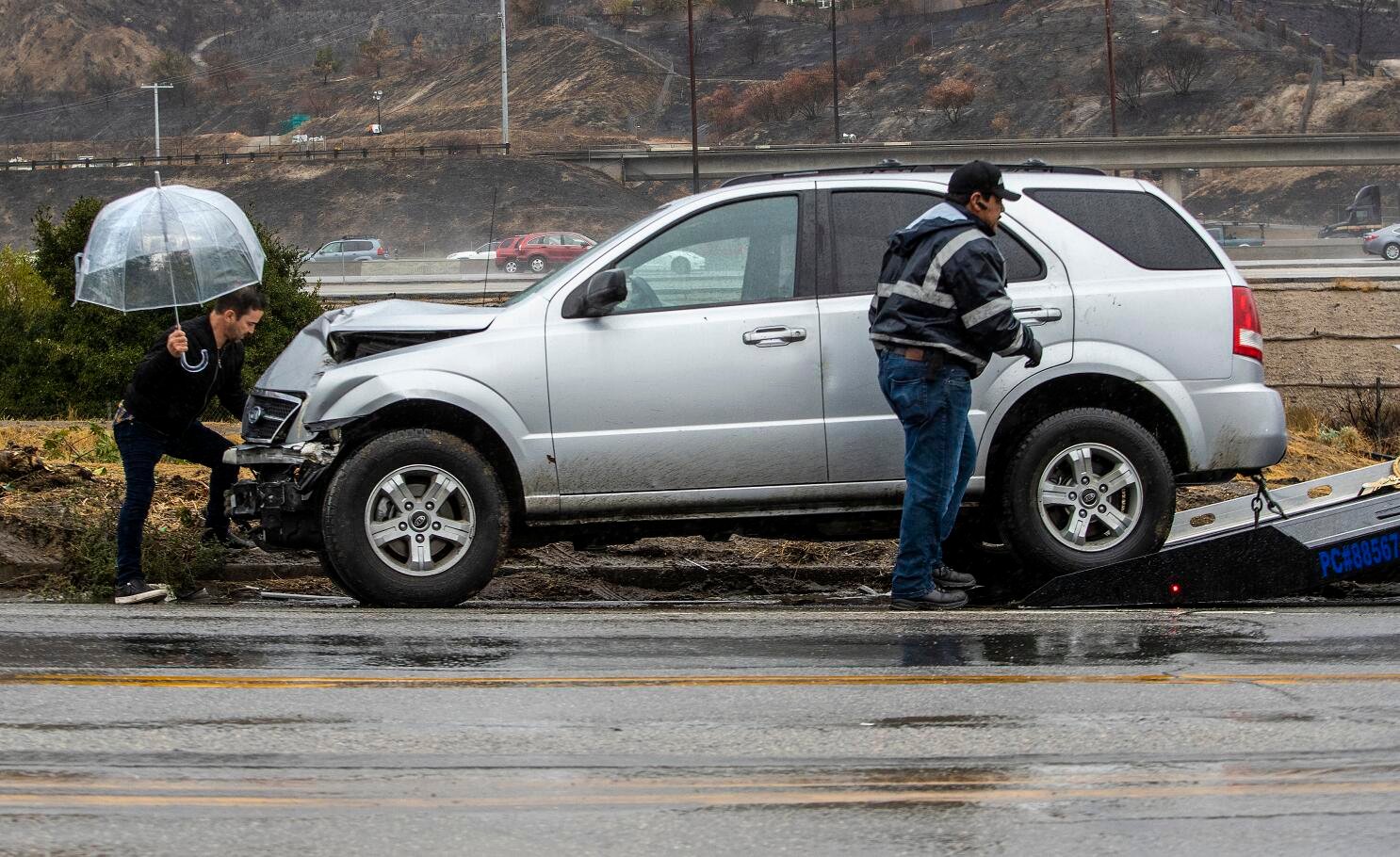
You drive your brand-new car off the dealership lot feeling excited. Then, six months later, disaster strikes — your car is totaled in an accident. You assume insurance will cover everything… until you discover you still owe thousands of dollars on a car you can no longer drive.
That financial nightmare is exactly why gap insurance exists.
But here’s the big question: Do you actually need gap insurance, or is it just another expensive add-on dealerships push to increase profits?
In this guide, you’ll learn:
- What gap insurance really is
- How it works in real life
- When it’s worth the money
- When you can skip it
- Common mistakes drivers make
- How to save money on coverage
By the end, you’ll know whether gap insurance is a smart financial move or an unnecessary expense for your situation.
What Is Gap Insurance?
Gap insurance stands for Guaranteed Asset Protection insurance.
It covers the “gap” between:
- What your car is currently worth (actual cash value), and
- What you still owe on your loan or lease.
Cars depreciate fast — sometimes losing 20% to 30% of their value in the first year alone. If your car gets stolen or totaled, your regular auto insurance usually only pays the vehicle’s current market value, not your remaining loan balance.
That difference can leave you stuck paying thousands out of pocket.
Simple Example
Let’s say:
- You bought a car for $40,000
- You still owe $35,000 on the loan
- Your insurance company says the car is now worth only $28,000
Without gap insurance:
- Insurance pays: $28,000
- You still owe: $7,000
With gap insurance:
- The $7,000 gap may be covered
That’s why many people see gap insurance as financial protection against rapid vehicle depreciation.
Why So Many Drivers Get Burned
Most car buyers focus only on the monthly payment.
Dealerships know this.
A lower monthly payment often means:
- Longer loan terms
- Smaller down payments
- Higher loan balances
The result?
You can end up “upside down” on your loan — meaning you owe more than the car is worth.
This is especially common today because:
- Vehicle prices are higher
- Interest rates increased
- Loan terms can stretch to 72 or even 84 months
The longer the loan, the longer you may remain underwater financially.
Who Actually Needs Gap Insurance?
Gap insurance isn’t necessary for everyone.
But in certain situations, it can save you from serious financial stress.
You Probably Need Gap Insurance If…
1. You Made a Small Down Payment
If you put down less than 20%, there’s a higher chance you owe more than the car is worth early in the loan.
2. You Chose a Long Loan Term
Loans lasting 60, 72, or 84 months increase the risk of negative equity.
3. Your Car Depreciates Quickly
Some vehicles lose value much faster than others.
Luxury cars and certain electric vehicles can depreciate rapidly.
4. You Rolled Old Debt Into a New Loan
If you added leftover debt from a previous vehicle into your new loan, you may already be underwater on day one.
5. You Lease Your Vehicle
Many lease agreements actually require gap insurance.
6. You Drive a Lot
High mileage speeds up depreciation.
When Gap Insurance May Not Be Worth It
There are also situations where gap insurance may be unnecessary.
You Might Skip It If…
1. You Made a Large Down Payment
A strong down payment reduces negative equity risk.
2. Your Loan Balance Is Already Low
If you owe less than the car’s market value, there’s little or no gap to cover.
3. Your Vehicle Holds Value Well
Some cars depreciate slowly.
4. You Could Easily Cover the Difference Yourself
If paying a few thousand dollars unexpectedly wouldn’t hurt your finances, gap insurance may not provide enough value.
The Biggest Misunderstanding About Gap Insurance
Many people assume gap insurance covers:
- Repairs
- Mechanical breakdowns
- Missed payments
- Medical bills
- Buying another car
It doesn’t.
Gap insurance only helps pay the difference between your insurance payout and your remaining loan or lease balance after a total loss.
That’s it.
Understanding this prevents disappointment later.
How Much Does Gap Insurance Cost?
The price depends on where you buy it.
Through a Dealership
Dealerships often charge:
- $500 to $1,500 added to your loan
This is usually the most expensive option.
Through Your Auto Insurance Company
Some insurers offer gap coverage for:
- Around $20 to $60 per year
This is often far cheaper.
That’s why comparing options matters.
One Costly Mistake Most Buyers Make
Here’s the trap:
Many dealerships roll gap insurance into the auto loan.
That means:
- You pay interest on the coverage
- The total cost becomes much higher over time
Always ask:
- What is the total price?
- Is it financed?
- Can I buy it cheaper elsewhere?
A simple question could save hundreds of dollars.
Does Gap Insurance Pay Off?
Sometimes yes — dramatically.
Imagine owing $10,000 after a total loss accident.
Without gap insurance:
- You still make payments on a car you no longer own
With gap insurance:
- That burden could disappear
For many drivers, the peace of mind alone is worth the relatively small cost.
But if your financial risk is low, paying for unnecessary coverage doesn’t make sense either.
The key is matching the protection to your situation.
Alternatives to Gap Insurance
If you don’t want gap insurance, there are other ways to reduce risk.
Make a Bigger Down Payment
Starting with equity lowers the chance of being underwater.
Choose a Shorter Loan
Shorter loans build equity faster.
Buy a Vehicle With Strong Resale Value
Some vehicles retain value much better over time.
Avoid Rolling Old Debt Into New Loans
This is one of the fastest ways to become upside down financially.
How to Know If You’re Currently Upside Down
You can estimate it easily.
Step 1: Find Your Loan Payoff Amount
Check your lender account.
Step 2: Check Your Car’s Current Market Value
Use tools like:
Step 3: Compare the Numbers
If your loan balance is higher than the car’s value, you have negative equity.
That’s the financial gap gap insurance is designed to protect.
Is Gap Insurance Required?
Usually no.
However:
- Some lenders require it
- Many leases include it automatically
Always read your financing agreement carefully.
How Long Should You Keep Gap Insurance?
You generally only need it while:
- Your loan balance exceeds your vehicle value
Once you owe less than the car is worth, gap insurance may no longer provide meaningful value.
Many people forget to cancel it and keep paying unnecessarily.
Review your loan balance annually.
The Hidden Financial Lesson Most Drivers Ignore
Gap insurance highlights a bigger issue:
Many people buy more car than they can comfortably afford.
Long loans and tiny down payments may reduce monthly payments, but they can increase long-term financial risk.
A smarter car purchase strategy often saves more money than any insurance product ever could.
Final Verdict: Do You Really Need Gap Insurance?
Gap insurance can be incredibly valuable — but only in the right situation.
You should strongly consider it if:
- You made a small down payment
- You have a long loan term
- You lease your car
- Your vehicle depreciates quickly
- You’re already upside down financially
You may not need it if:
- You have strong equity
- Your loan balance is low
- You can comfortably absorb potential losses
The smartest approach is simple:
- Compare costs
- Understand your risk
- Avoid emotional dealership pressure
- Make the decision based on numbers, not fear
Because the worst time to discover you needed gap insurance… is after your car is already gone.
Frequently Asked Questions (FAQ)
Is gap insurance worth it on a used car?
Sometimes. It depends on how much you owe compared to the vehicle’s value.
Can I cancel gap insurance later?
Yes, many policies can be canceled once you no longer need coverage.
Does gap insurance cover engine failure?
No. It only covers loan balance gaps after a total loss.
Is gap insurance expensive?
Not usually when purchased through an insurance company. Dealerships often charge significantly more.
Can I buy gap insurance after purchasing a car?
Yes, many insurance companies allow this within certain time limits.