What to Do Immediately After a Car Accident (Step-by-Step Guide for 2026) is critical knowledge every driver needs. In today’s complex legal and insurance landscape, knowing exactly what actions to take within minutes of an accident can mean the difference between a smooth claims process and a financial nightmare. This comprehensive guide walks you through every step you should take immediately following a collision, ensuring you protect yourself, your passengers, and your legal interests.
Ensure Safety and Call Emergency Services First
Assess for Injuries and Move to Safety
Your first priority after any accident is ensuring everyone’s safety. Before worrying about insurance details or vehicle damage, check yourself and your passengers for injuries. If anyone is hurt, do not attempt to move them unless there is immediate danger, such as a fire or oncoming traffic. Movement can worsen spinal injuries or internal bleeding. Stay calm and perform a quick visual assessment of anyone who may need medical attention.
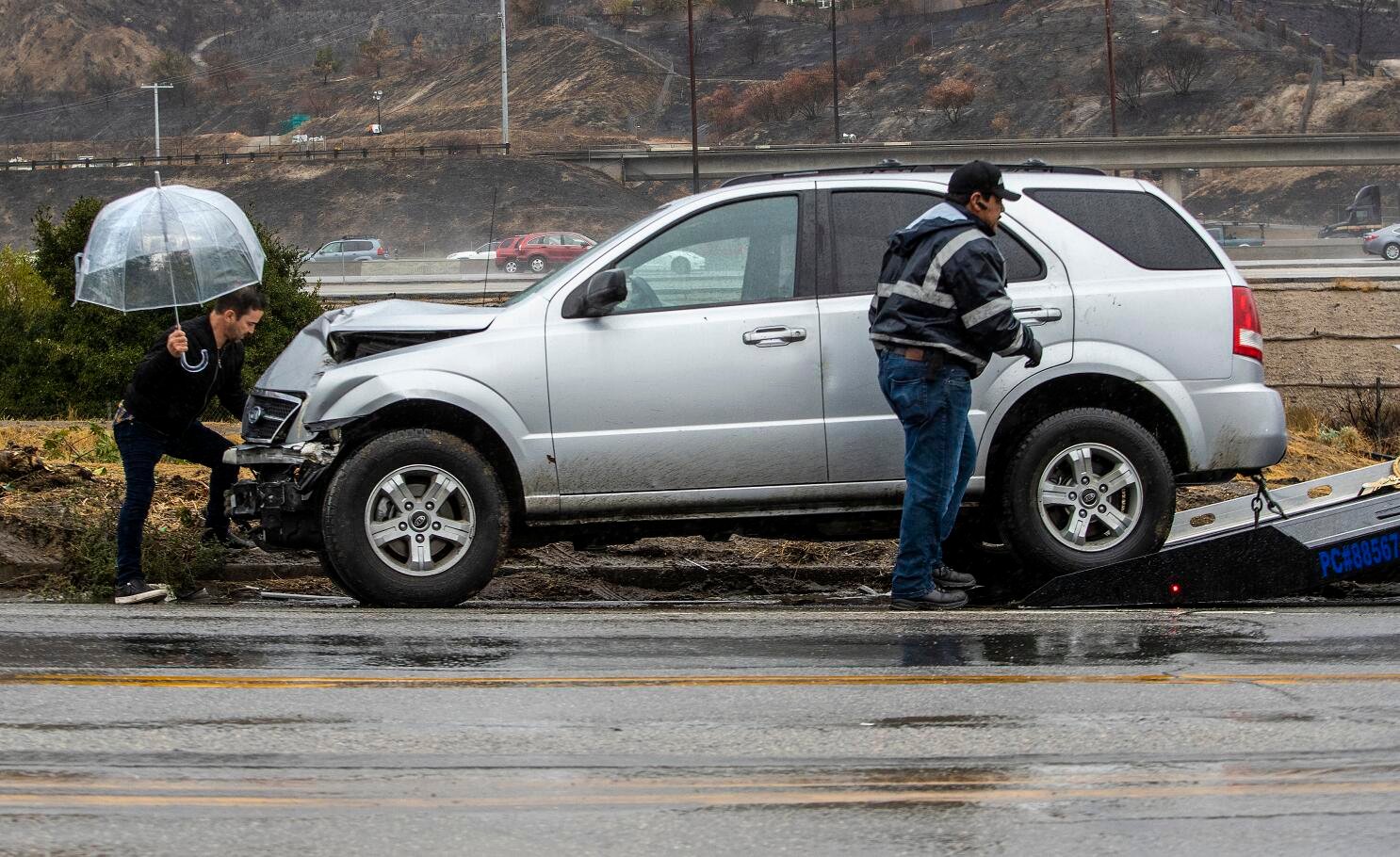
If the accident is minor and vehicles are still in traffic lanes, move them to a safe location away from moving traffic if possible. Turn on your hazard lights to alert other drivers. If vehicles cannot be safely moved, stay inside with seatbelts fastened and call emergency services immediately. Do not stand in traffic lanes where you could be struck by passing vehicles.
Contact Police and Emergency Medical Services
Always call 911 if there are injuries, significant property damage, or if anyone involved appears unable to leave the scene safely. A police report creates an official record of the accident that insurance companies and courts will reference. Even in minor accidents where everyone seems fine, requesting police presence protects you by documenting the scene professionally. Police officers document vehicle positions, road conditions, traffic signals, and other critical details that become invaluable if disputes arise later.
When speaking with emergency dispatchers, provide your location, the number of vehicles involved, any visible injuries, and whether traffic is blocked. Stay on the line until emergency personnel arrive. If emergency services aren’t required but you still want a police report, contact your local non-emergency police line to file an accident report. Document the officer’s name and badge number for your records.
- Call 911 immediately if anyone is injured or in danger
- Provide dispatcher with exact location and number of vehicles involved
- Request police presence even for minor accidents to document the scene
- Stay on the phone with dispatch until help arrives
- Get the responding officer’s name and badge number
Document the Accident Scene Thoroughly
Photograph Everything at the Scene
Once everyone is safe and emergency services have arrived if needed, begin documenting the accident scene with photographs and video. Modern smartphones make this easier than ever. Take wide-angle shots showing the overall scene, the position of all vehicles, road conditions, traffic signals, street signs, and any visible damage to property. Photograph from multiple angles to give a complete picture of how the accident occurred. Include close-up images of all vehicle damage, weather conditions, road hazards, and skid marks if visible.
Don’t limit yourself to just the vehicles involved. Photograph the broader context: was the intersection poorly marked? Were there trees obscuring sight lines? Was the road wet or icy? Did street lights work? These details matter tremendously when reconstructing exactly what happened. Take photos of your odometer reading, dashboard time display, and weather conditions. Video footage is even better than still photos because it captures movement and provides context that static images cannot convey.
Record All Important Information
Write down everything you remember about the accident while it’s fresh in your mind. The human memory degrades quickly, so document immediately. Note the exact time, weather conditions, road surface conditions, your speed, the other driver’s apparent speed, traffic signals, and visibility factors. Record whether anyone was distracted, if there were any witnesses, and the direction each vehicle was traveling. This written account, created immediately after the accident, carries significant weight in insurance claims and legal disputes.
Collect contact information from everyone at the scene: other drivers, passengers in other vehicles, and independent witnesses. Get their full names, phone numbers, email addresses, and physical addresses. Ask witnesses what they observed and write down their statements. Many accident claims are settled favorably because of witness testimony. Don’t rely on memory or promises that someone will contact you later—get information in the moment when people are available and willing to talk.
- Take wide-angle and close-up photographs of all vehicle damage
- Photograph road conditions, weather, traffic signals, and street signs
- Record video of the entire scene if possible
- Document your vehicle’s condition before the accident if you have dashcam footage
- Write detailed notes about what you remember immediately
- Collect witness names, phone numbers, email addresses, and statements
Exchange Information With Other Drivers Safely
Gather Essential Driver and Vehicle Details
When the scene is safe, approach other drivers calmly and exchange essential information. You need their full name, phone number, home address, email address, date of birth, and driver’s license number. Record their vehicle identification number (VIN), license plate number, vehicle year, make, model, and color. Get their insurance company name, policy number, and agent contact information. Many drivers keep this information on an insurance ID card in their vehicle, making collection straightforward.
Remain polite and professional during all interactions with other drivers. Avoid admitting fault, apologizing excessively about the accident, or making statements that could be construed as accepting responsibility. Statements made at accident scenes are often used later in insurance claims and lawsuits. You can be sympathetic to someone’s situation without admitting legal liability. For instance, “I’m sorry this happened” is different from “I’m sorry I caused this accident.” The latter admission could harm your case significantly.
Document Police Report Information
When police arrive and create an accident report, ask for the report number and the officer’s information. Some departments provide preliminary reports on the scene, while others mail reports later. Get clarification on when and where you can obtain the complete report. You’ll need this police report number for insurance claims and any potential legal action. Request multiple copies because insurance companies and attorneys often need their own copies.
Review the police report carefully when you receive it. If you notice errors or omissions, contact the police department to request corrections. Inaccuracies in official reports can negatively impact your insurance claim. If the officer cited you or another driver, understand that citations indicate fault assessment, which insurance companies consider heavily in claim decisions.
| Information Type | What to Collect | Why It Matters |
|---|---|---|
| Driver Information | Name, phone, address, license number, DOB | Needed for insurance claims and potential legal action |
| Vehicle Details | VIN, license plate, year, make, model, color | Identifies the insured vehicle for claims processing |
| Insurance Information | Company name, policy number, agent contact | Required to file third-party liability claims |
| Police Report | Report number, officer name, badge number | Official documentation of the accident and fault determination |
| Witness Information | Names, phone, addresses, and statements | Corroborates your account of how the accident occurred |
Contact Your Insurance Company Promptly
Report the Accident Within Required Timeframes
Most insurance policies require you to report accidents within a specific timeframe, typically 24 to 72 hours. Failure to report within this window could give your insurance company grounds to deny your claim. Don’t delay this step. Call your insurance agent or the claims department directly. Have your policy number, the police report number, and all the information you collected at the accident scene readily available. The claims representative will ask detailed questions about how the accident occurred, weather conditions, and any injuries.
Be thorough and honest when providing information to your insurance company. Any inconsistencies discovered later between your initial report and statements made during investigation could damage your credibility and jeopardize your claim. However, remember that you have no obligation to accept the insurance company’s initial liability determination. If you believe you’re not at fault, provide evidence supporting your position. Understanding Car insurance excess explained United States will help you understand your financial obligations in the claims process.
Understand Your Coverage and Deductibles
During your insurance report, clarify what coverage applies to your situation. Different accident scenarios activate different coverages: collision coverage applies when you hit another vehicle or object, comprehensive coverage applies to non-collision incidents like theft or weather, and liability coverage pays for the other party’s damages if you’re found at fault. Your deductible is the amount you pay out of pocket before insurance covers remaining damages.
Ask your claims representative to explain your options for repair. Most policies allow you to choose your repair shop rather than accepting the insurance company’s preferred vendor. Get repair estimates from multiple shops before authorizing work. If the damage seems extensive, request that the insurance company send an adjuster to inspect the vehicle before repairs begin. This ensures the damage assessment is accurate and complete.
- Report the accident to your insurance company within 24-72 hours
- Have your policy number and police report ready when calling
- Be honest and thorough in describing how the accident occurred
- Ask clarifying questions about which coverage applies
- Understand your deductible and out-of-pocket obligations
- Request an insurance adjuster inspect major damage before repairs
Seek Medical Attention and Document Health Issues
Get Immediate Medical Evaluation for Injuries
Even if you feel fine immediately after the accident, seek medical attention. Adrenaline masks pain and serious injuries may not be immediately apparent. Whiplash, internal bleeding, and concussions can develop hours after an accident. Getting a medical evaluation creates an official record linking your injuries to the accident, which is critical for insurance claims and any potential personal injury lawsuits. Your medical records become the primary evidence of injury severity.
Visit an emergency room, urgent care facility, or your primary care physician within 24 hours of the accident. Describe all symptoms: neck pain, back pain, headaches, dizziness, vision changes, or emotional distress. Be specific about when symptoms started and how severe they are. Doctors will perform examinations and order imaging like X-rays or MRI scans if indicated. Keep all medical records and bills for your insurance claim documentation.
Document Ongoing Treatment and Medical Expenses
If injuries require ongoing treatment, maintain detailed records of all medical appointments, treatments, and expenses. This includes physical therapy, chiropractic care, mental health counseling, and medication costs. Insurance companies scrutinize medical claims carefully, so documentation is essential. Create a spreadsheet tracking dates of treatment, providers, services rendered, and costs. Save all receipts, bills, and insurance explanations of benefits.
Insurance companies may contact your medical providers to verify treatment necessity and reasonableness of costs. Cooperate with this process as requesting records from your doctor’s office is standard practice. Any gaps in medical treatment may be interpreted as evidence that injuries weren’t severe, so maintain consistent treatment schedules if your condition warrants ongoing care. Photograph any visible injuries for documentation purposes.
Handle Property Damage and Vehicle Repairs
Obtain Multiple Repair Estimates
Before authorizing repairs, get estimates from at least two or three qualified repair shops. Don’t automatically use the insurance company’s preferred vendors, although they often provide competitive pricing and warranty coverage. Independent shops may identify damage that insurance company adjusters missed. Request itemized estimates that break down parts, labor, and other costs. Ensure estimates include all visible damage plus potential hidden damage discovered during disassembly.
The repair estimate should be thorough and specific. Instead of vague descriptions like “frame damage,” estimates should specify exactly which frame components are damaged and what repair method will be used. Quality shops provide written warranties on their work, typically ranging from 12 months to lifetime depending on the shop and repair type. Understand what the warranty covers and for how long before selecting a repair facility.
Manage Rental Car and Transportation Needs
If your vehicle requires extended repairs, your insurance likely covers rental car expenses through rental reimbursement coverage. Contact your insurance company about rental authorization before selecting a rental vehicle. Some policies require you to use specific rental companies that have agreements with your insurer. Rental coverage typically includes mid-size cars but may not cover luxury or specialty vehicles. Keep rental receipts as proof of reasonable charges for your claim.
If you need temporary transportation beyond what rental coverage provides, document these expenses. Some policies cover rideshare services, public transportation, or rental car costs exceeding your policy limits if damage is severe. Understanding your coverage limits and options prevents unexpected out-of-pocket expenses. Work with your claims representative to understand exactly what transportation costs will be covered.
- Get repair estimates from multiple independent shops
- Request itemized estimates showing all parts and labor
- Ask about repair warranties and what they cover
- Don’t authorize repairs until insurance company approves estimates
- Coordinate rental car coverage through your insurance company
- Keep receipts for all transportation and repair expenses
Frequently Asked Questions About What to Do Immediately After a Car Accident
Should I Move My Vehicle After an Accident?
Move your vehicle only if it’s safe to do so and if it’s blocking traffic. Enable hazard lights and move the vehicle to a safe location away from traffic lanes. If the accident occurs on a highway or busy road where moving the vehicle is dangerous, stay inside with seatbelts fastened and call 911. Take photos of vehicle positions before moving anything, as these images help document how the accident occurred. If your vehicle won’t start, leave it where it sits and call for roadside assistance once emergency response is complete.
What Should I Tell the Other Driver?
Be polite and calm when speaking with the other driver, but avoid discussing fault or admitting responsibility. Exchange information professionally but don’t apologize for causing the accident or make statements that suggest liability. You can say “I’m sorry this happened” without admitting you caused it. Avoid detailed explanations of how you think the accident occurred, especially if your account differs from the other driver’s. Let police and insurance adjusters determine fault based on evidence rather than driver statements made at the scene.
How Long Do I Have to Report the Accident to Insurance?
Most insurance policies require accident reporting within 24 to 72 hours. Contact your insurance agent immediately after the accident, even if you’re not yet sure about injuries or damage extent. Early reporting demonstrates good faith and prevents claim denial due to late reporting. Some policies allow longer reporting periods, but don’t assume this applies to yours—check your policy documents. The sooner you report, the sooner your insurance company can begin investigating and processing your claim. If you miss the reporting deadline, your insurer may have grounds to deny your claim.
Do I Need a Lawyer After a Car Accident?
If injuries are minor and the accident is clearly not your fault, you may handle the claim yourself. However, consult an attorney if significant injuries occurred, liability is disputed, insurance coverage is inadequate, or the other party’s insurance company is being uncooperative. Many personal injury attorneys work on contingency, meaning they’re paid only if you receive a settlement. Initial consultations are often free. An attorney can help negotiate with insurance companies, ensure you’re properly compensated for injuries and damages, and protect your legal rights throughout the claims process.
What If the Other Driver Doesn’t Have Insurance?
If the other driver lacks insurance, file a claim under your uninsured motorist coverage if your policy includes it. This coverage protects you when the at-fault driver has no insurance. You’ll still pay your deductible, but your insurance company covers damages up to your policy limits. Document the uninsured driver’s information and report it to police. If the uninsured driver caused significant damage, consult an attorney about pursuing a personal lawsuit to recover damages, though collecting from an uninsured driver often proves difficult even with a judgment.
Conclusion: Protect Yourself With Knowledge and Documentation
Knowing what to do immediately after a car accident in 2026 dramatically improves your chances of a successful insurance claim and protects your legal interests. The steps outlined in this What to Do Immediately After a Car Accident (Step-by-Step Guide for 2026) are designed to ensure nothing falls through the cracks during the critical hours following an accident. Prioritize safety first, document everything thoroughly, collect all necessary information, report to insurance promptly, and seek medical attention even if injuries seem minor.
The landscape of car insurance continues evolving. Many drivers are surprised to learn about Report: Rising insurance costs are pricing out experienced drivers, making it even more critical to handle accidents properly and avoid claim denials. Understanding your insurance coverage helps you navigate the claims process confidently. If you rent your home, review your renters insurance what does it cover to understand what protections you have for personal property, and if you own your home, know what does homeowners insurance cover in 2026.
Following What to Do Immediately After a Car Accident (Step-by-Step Guide for 2026) ensures you handle the immediate aftermath correctly. Don’t let confusion or panic lead to mistakes that could jeopardize your claim. Take photos, collect information, call your insurance company, and seek medical evaluation. Consider consulting an attorney if injuries or damages are significant. Most importantly, prioritize the safety and wellbeing of everyone involved in the accident. By staying calm, thinking clearly, and following these steps, you protect yourself legally and financially during one of life’s most stressful situations.