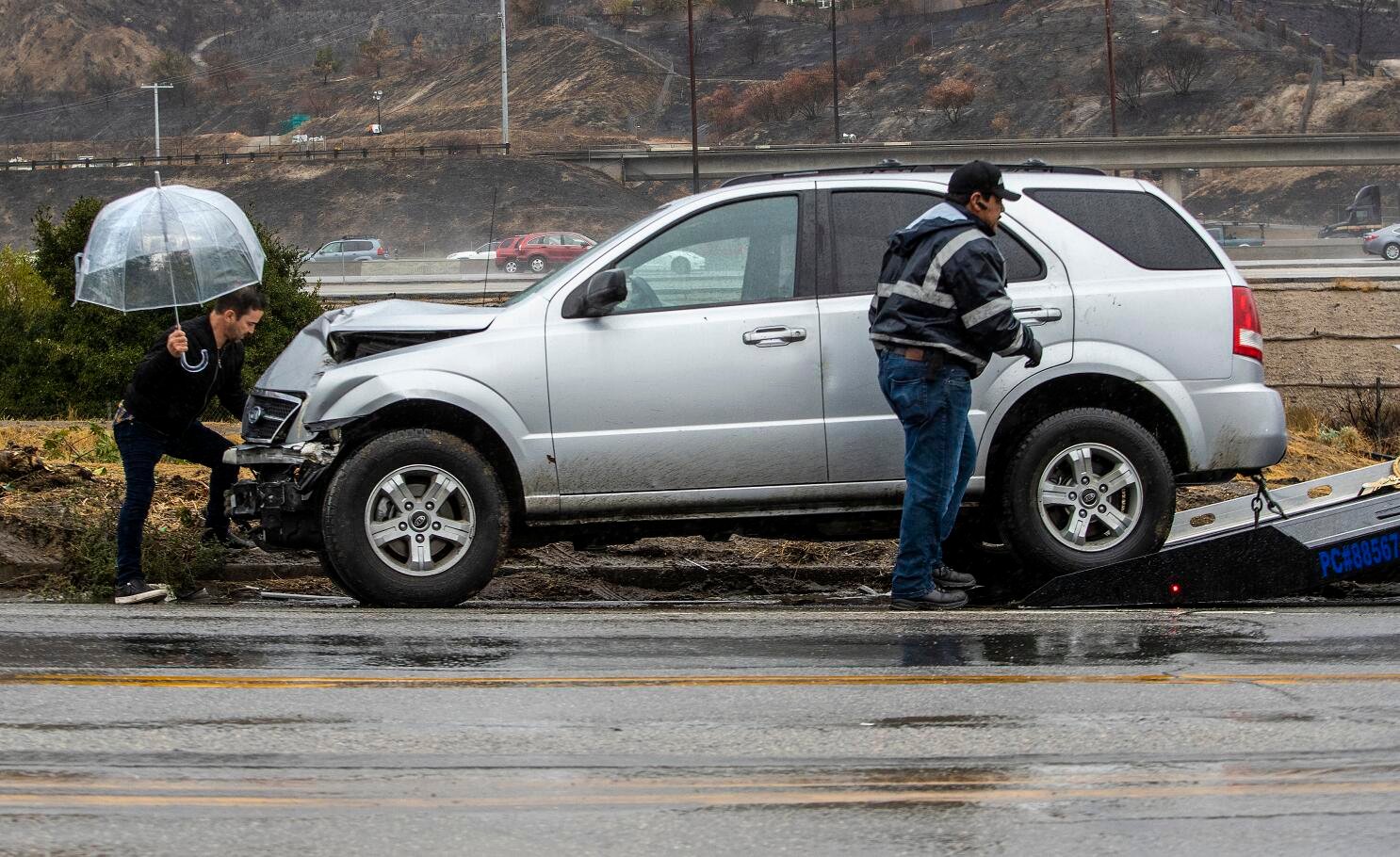
Getting injured because of someone else’s negligence can turn your life upside down in seconds. Medical bills pile up, you miss work, and insurance companies suddenly start calling with questions that feel designed to trap you.
But here’s the part most people don’t realize:
Many injury victims lose their claims not because they were wrong — but because they made avoidable mistakes after the accident.
A single Facebook post, delayed doctor visit, or rushed settlement can destroy a case worth thousands — sometimes even hundreds of thousands — of dollars.
If you’re filing a personal injury claim or simply want to protect yourself in the future, this guide breaks down the biggest reasons injury claims fail and exactly how to avoid them.
Why So Many Injury Claims Get Denied
Insurance companies are businesses first. Their goal is often to reduce payouts as much as possible.
That means adjusters look for:
- Inconsistencies
- Missing evidence
- Delayed treatment
- Social media activity
- Gaps in documentation
- Statements that weaken your case
Even valid claims can collapse when victims unknowingly give insurers ammunition to use against them.
Understanding these risks early can dramatically improve your chances of receiving fair compensation.
1. Waiting Too Long to Get Medical Treatment
One of the fastest ways to damage an injury claim is delaying medical attention.
Many people think:
- “The pain will go away.”
- “It’s probably minor.”
- “I don’t want expensive hospital bills.”
But insurance companies often interpret delayed treatment as proof that your injuries were not serious.
Why This Hurts Your Claim
If you wait days or weeks before seeing a doctor:
- The insurer may argue your injuries happened somewhere else
- They may say the injury isn’t severe
- They may claim you exaggerated symptoms later
Even if you truly were injured, the delay creates doubt.
How to Avoid This Mistake
Seek medical care immediately after the accident — even if symptoms seem minor.
Some injuries, including:
- Concussions
- Internal bleeding
- Soft tissue injuries
- Back trauma
can worsen over time.
Always:
- Attend follow-up appointments
- Keep medical records
- Save prescriptions and receipts
- Follow your doctor’s treatment plan
The more consistent your medical documentation is, the stronger your claim becomes.
2. Giving Recorded Statements Too Early
After an accident, insurance adjusters may sound friendly and helpful.
But remember:
They are trained to protect the company’s financial interests.
Many victims accidentally weaken their claims during recorded phone statements.
Common Traps Adjusters Use
They may ask:
- “Are you feeling okay today?”
- “Would you say the injuries are minor?”
- “Did you see the other driver before impact?”
Simple answers can later be used against you.
For example:
Saying “I’m okay” out of politeness may later be presented as evidence that you were not seriously injured.
How to Protect Yourself
Before giving detailed statements:
- Consult an attorney
- Avoid guessing or speculating
- Stick strictly to known facts
- Never minimize pain or symptoms
You are generally not required to provide recorded statements to the other party’s insurer immediately.
3. Posting on Social Media
This mistake destroys more injury claims than most people realize.
Insurance investigators often monitor:
- TikTok
- X (Twitter)
- YouTube
Even harmless-looking photos can damage your case.
Real Examples That Hurt Claims
Imagine claiming a back injury while posting:
- Vacation photos
- Gym selfies
- Dancing videos
- Hiking trips
Even if you were genuinely in pain afterward, insurers may argue you exaggerated injuries.
What You Should Do Instead
After an accident:
- Set profiles to private
- Avoid discussing the case online
- Do not post physical activities
- Ask friends not to tag you
The safest strategy is staying off social media completely until the claim is resolved.
4. Failing to Gather Evidence
Strong evidence often determines whether a claim succeeds or fails.
Unfortunately, many accident victims fail to collect critical proof immediately after the incident.
Important Evidence That Helps Claims
You should gather:
- Photos of injuries
- Vehicle damage photos
- Accident scene images
- Witness contact information
- Police reports
- Surveillance footage if available
The earlier evidence is collected, the harder it becomes for insurers to dispute the facts.
How to Strengthen Your Case
Immediately after the accident:
- Take photos from multiple angles
- Record weather and road conditions
- Get witness names and phone numbers
- Save damaged personal items
- Write down what happened while memory is fresh
Details disappear quickly after accidents.
5. Accepting the First Settlement Offer
Insurance companies often make fast settlement offers before victims understand the full extent of their injuries.
At first glance, the money may seem tempting — especially if bills are piling up.
But early offers are often far lower than what claims may truly be worth.
Why Early Settlements Are Dangerous
Once you accept a settlement:
- You usually cannot reopen the claim
- Future medical costs become your responsibility
- Long-term pain or disability may not be covered
Some injuries take months to fully diagnose.
What You Should Do
Before accepting any offer:
- Understand your total medical costs
- Calculate lost wages
- Consider future treatment needs
- Speak with a qualified injury attorney
Patience can significantly increase compensation.
6. Not Following Medical Advice
Missing treatments can seriously weaken your injury claim.
If doctors recommend:
- Physical therapy
- Specialist visits
- Medication
- Surgery consultations
and you ignore those recommendations, insurers may argue:
- Your injuries are not serious
- You contributed to worsening the condition
- You failed to mitigate damages
Best Practice
Follow your treatment plan consistently.
If you cannot attend appointments because of:
- Cost
- Transportation
- Work conflicts
document those reasons carefully.
Consistency matters enormously in personal injury cases.
7. Hiding Previous Injuries
Some people avoid mentioning past injuries because they fear hurting their case.
This often backfires badly.
Insurance companies routinely review:
- Medical history
- Previous claims
- Employment records
If they discover undisclosed injuries, your credibility may collapse.
The Better Strategy
Be honest about prior conditions.
A previous injury does not automatically ruin your case.
In many situations:
An accident may worsen an existing condition — and that can still qualify for compensation.
Transparency is usually safer than concealment.
8. Missing Legal Deadlines
Every state has a statute of limitations for injury claims.
If you miss the deadline:
You may permanently lose the right to seek compensation.
Common Deadlines People Miss
Victims often delay because:
- They assume recovery will happen quickly
- Negotiations take too long
- They don’t realize legal deadlines exist
By the time they act, it may already be too late.
How to Avoid This
Speak with an attorney as early as possible after an accident.
Even if you are unsure about filing a lawsuit, understanding your timeline is critical.
9. Trying to Handle Complex Claims Alone
Minor claims may sometimes be manageable without legal representation.
But serious injury cases become extremely complicated.
Insurance companies have:
- Legal teams
- Investigators
- Medical consultants
- Negotiation experts
Most victims are at a major disadvantage without guidance.
Situations Where Legal Help Matters Most
You should strongly consider legal representation if:
- Injuries are severe
- Liability is disputed
- Multiple parties are involved
- Long-term disability exists
- Settlement offers seem unfair
A strong attorney can often identify damages victims overlook entirely.
10. Underestimating the Value of Pain and Suffering
Many people only calculate:
- Medical bills
- Car repairs
- Lost wages
But injury claims may also include:
- Emotional distress
- Chronic pain
- Reduced quality of life
- Mental trauma
- Loss of enjoyment
These damages can substantially increase claim value.
Why This Matters
Insurance companies rarely volunteer fair compensation for non-economic damages.
Without proper documentation:
Victims often settle for far less than they deserve.
Keeping a daily recovery journal can help demonstrate:
- Pain levels
- Emotional struggles
- Sleep disruption
- Limitations in daily activities
This documentation can strengthen negotiations significantly.
How Insurance Companies Try to Reduce Payouts
Many injury victims assume insurers will act fairly automatically.
Unfortunately, insurers may use tactics like:
- Delaying responses
- Requesting excessive paperwork
- Disputing medical necessity
- Blaming pre-existing conditions
- Monitoring social media
- Pressuring quick settlements
Understanding these strategies helps you avoid costly mistakes.
Smart Steps to Protect Your Injury Claim
If you remember nothing else from this article, focus on these key actions:
Immediately After an Accident
- Seek medical treatment quickly
- Report the incident officially
- Gather evidence immediately
- Avoid discussing fault
During the Claim Process
- Keep detailed records
- Follow medical advice
- Avoid social media posts
- Be careful with insurer statements
- Consult legal professionals when needed
These simple habits can dramatically improve claim outcomes.
Final Thoughts
Losing an injury claim is often not about whether the injury was real.
It’s about documentation, timing, consistency, and avoiding mistakes that insurance companies can exploit.
The good news:
Most claim-damaging errors are preventable.
The earlier you understand how injury claims work, the better protected you become — financially and legally.
If you or someone you know has been injured, taking the right steps immediately after the accident can make a life-changing difference in the outcome of the case.